

Quick Answer
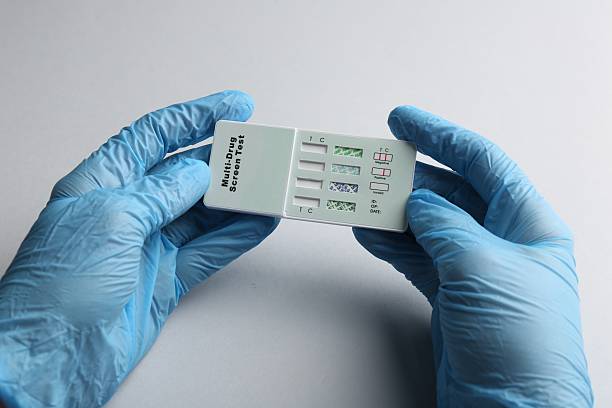
Quick Answer: Fentanyl has no single, identifiable appearance. Pharmaceutical fentanyl comes in patches, lozenges, nasal sprays, and clear intravenous solutions. Illicitly manufactured fentanyl typically appears as a white or off-white powder, but it can be dyed any color and pressed into pills that look identical to legitimate medications. Visual identification of fentanyl is unreliable, which is why chemical testing is the only way to confirm its presence.
What Does Pharmaceutical Fentanyl Look Like?
Prescription fentanyl comes in several distinct formats, each designed for a specific delivery method. Duragesic patches are rectangular adhesive patches, typically clear to beige, worn on the skin. They look unremarkable, almost like a large bandage. Actiq lozenges are berry-flavored units on a plastic stick, essentially a medicated lollipop.
Fentanyl nasal sprays look like any other nasal spray device. Injectable fentanyl used in hospitals and surgical settings is a clear, colorless solution in vials or pre-filled syringes. None of these look dangerous on the surface, which is part of why fentanyl patch misuse became a documented abuse pattern in the early 2000s.
What Does Illicitly Manufactured Fentanyl Look Like?
Here’s the honest answer: it can look like anything. And that’s precisely the problem.
In its pure powder form, illicitly manufactured fentanyl is most commonly white, though it can be pressed with dyes to appear tan, brown, gray, or blue. It has no distinctive odor. It dissolves readily in water. Two milligrams, an amount invisible to the naked eye and undetectable on a scale without precision equipment, can be a fatal dose for someone without opioid tolerance.
The more urgent concern is counterfeit pills. Drug trafficking organizations have invested significantly in pill press equipment that produces tablets indistinguishable from pharmaceutical-grade medications. Counterfeit M30 oxycodone tablets are the most widely discussed example: they look exactly like legitimate 30mg oxycodone pills, with the same imprint, color, and shape. The DEA has reported that more than six in ten of these seized pills contain potentially lethal quantities of fentanyl.
What Is Rainbow Fentanyl?
Rainbow fentanyl became a media topic in 2022 after law enforcement agencies began seizing brightly colored fentanyl pills in multiple states. The pills appear in purple, pink, green, orange, and other vivid colors, often shaped like candy.
The distribution of rainbow fentanyl followed the same press-and-distribute model as other counterfeit pills. Whatever the reasoning behind the coloring, the pills carry the same lethal risk as any other illicitly manufactured fentanyl product. The colorful appearance doesn’t indicate lower potency.
Why Visual Identification of Fentanyl Is Essentially Useless
You cannot see fentanyl in a drug supply. That’s not an exaggeration. When fentanyl is mixed into heroin, cocaine, or pressed into pills, it distributes unevenly, a phenomenon called the ‘chocolate chip cookie effect.’ One part of the pill or powder may contain no fentanyl at all; another section may contain a lethal concentration.
This uneven distribution means that even testing one portion of a sample doesn’t fully characterize the whole batch. It’s a genuine limitation of current harm reduction tools, including fentanyl test strips.
What Forms Does Fentanyl Take in the Street Drug Supply?
- Powder mixed into heroin, cocaine, or methamphetamine
- Counterfeit oxycodone (M30), Xanax, and Adderall pills
- Pressed alone into counterfeit tablets of various shapes and imprints
- Dissolved in liquids and absorbed into materials like paper (though less common)
- Rainbow-colored novelty-looking pills with standard fentanyl potency
Frequently Asked Questions
Frequently Asked Questions
Q: What does fentanyl look like as a powder?
A: Pure fentanyl powder is typically white or off-white, fine-grained, and odorless. It can be dyed other colors. Two milligrams, a potentially fatal dose, is invisible to most people without a precision scale.
Q: Can you smell fentanyl in drugs?
A: No. Fentanyl has no distinctive odor. You cannot detect its presence by smell, taste, or appearance.
Q: What do counterfeit fentanyl pills look like?
A: Counterfeit pills are designed to mimic legitimate medications exactly, including imprints, colors, and shapes. M30 oxycodone counterfeits are the most commonly seized. They are visually indistinguishable from real pills.
Q: Is rainbow fentanyl more dangerous than regular fentanyl?
A: It carries the same overdose risk. The coloring doesn’t indicate potency or a different formulation. It’s the same illicitly manufactured fentanyl in a different-colored press.
Q: How can you actually detect fentanyl?
A: Chemical testing using fentanyl test strips or fentanyl test kits is the only reliable detection method available outside a laboratory. Visual inspection alone is not sufficient.
The visual question about fentanyl has a frustrating answer: there is no consistent look, no reliable way to spot it with your eyes, and no safe assumption about a drug’s contents based on appearance. What does fentanyl look like? It looks like a white powder, a blue pill, a pressed tablet, and a clear liquid. The only tool that gives you real information is a test.