


The bioactivity of natural compounds from medicinal plants in the arenas of dermatological and anti-inflammatory research is now becoming increasingly well established. Of them, the glow peptide has been a focus of attention as an important factor to skin health and regeneration. Its effects on the synthesis of collagen and tissue repair are being studied in controlled environments.
Concurrently, the KPV peptide is emerging as a particularly powerful anti-inflammatory agent. This small tripeptide has a potential role in the modulation of immune reactions and inflammation. Combined, these molecules are at the forefront of cosmetics and therapeutic peptide studies. In this account, we discuss their distinctive potentials as well as applications in science.
Mechanism of Action of the KPV Peptide
Glow Peptide and the Synergistic Possibility
The glow peptide has traditionally been linked to GHK-Cu, and is well-known for its copper chelating properties. In studies, this makes it able to increase the activity of key skin-structure enzymes. When combined with other agents, it may have synergistic effect on tissue remodeling. Scientists are eager to learn how it interacts with a cell’s receptors, signaling the need for repair.
Anti-Inflammatory Markers of KPV Peptide
KPV peptide works mainly via the alpha-melanocyte-stimulating hormone routes. Its small size enables it to enter tissues and address inflammation directly. It is suggested to have anti-inflammatory activity based on studies suggesting that it can inhibit NF-kappaB, a controlling factor in inflammation. This characteristic renders it an excellent tool for research on pathologic conditions such as dermatitis or inflammatory bowel disorders.
Glow Peptide Is Paving the Way in Dermal Research
KPV Peptide vs. Other Skin Agents
Although most of the rehydrating agents act on the skin moisture, KPV peptide acts in an opposite direction to relieve subcutaneous inflammation. Studies usually compare it to traditional anti-inflammatories to assess the effectiveness with reduced side effects. Its origin (naturally derived from a piece of ACTH) indicates acceptable safety profile in research studies. This difference is an important consideration for the design of new treatment schedules.
Use of the Glow Peptide in Science
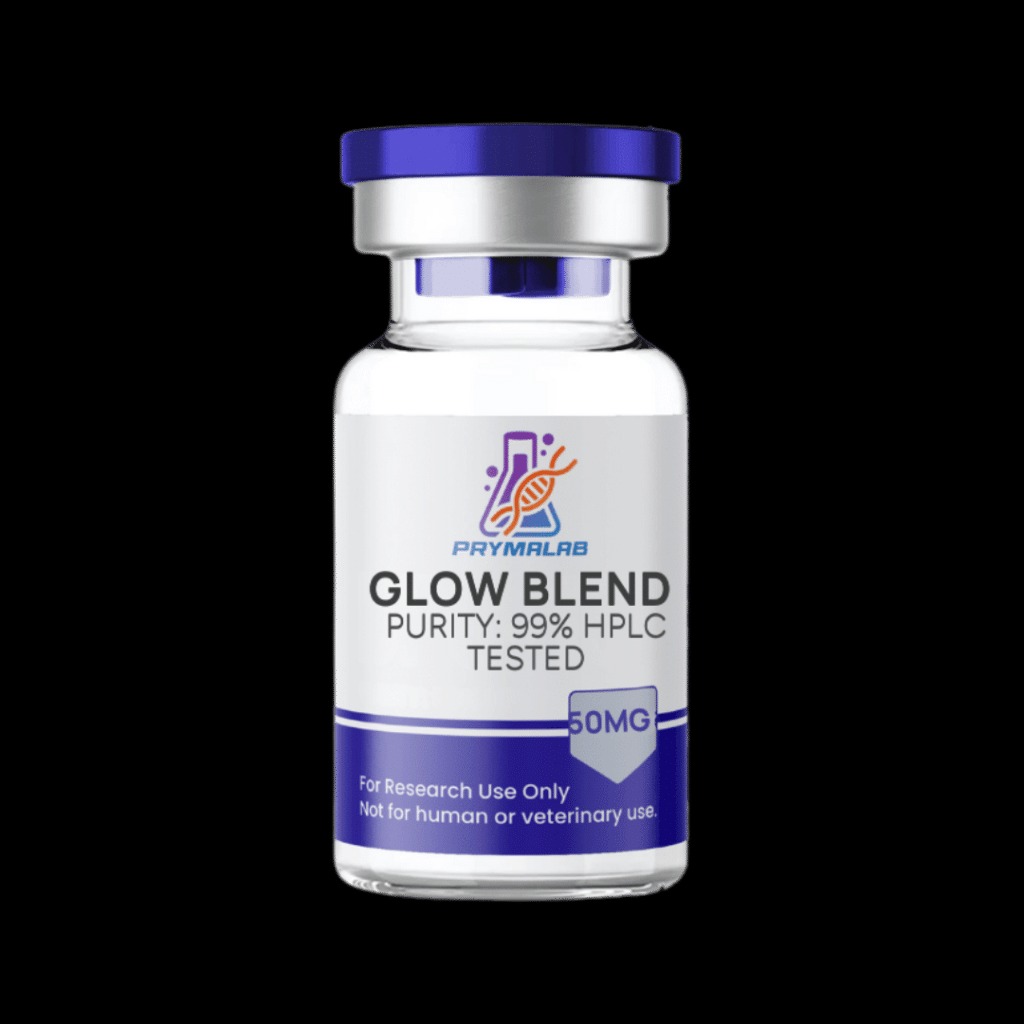
The glow peptide is commonly used in wound healing experiments. It’s believed based on data that it may help to close wounds more quickly, by increasing fibroblast activity. Its antioxidant actions also protect cells from free radical exposure during healing. These characteristics make it a mainstay in regenerative medicine and anti-aging science laboratories.
KPV Peptide Handling Protocols
- Keep KPV peptide in a cool dark place.
- Rehydrate only on day of experiment.
- Keep peptides stable with sterile bacteriostatic water.
- Handle carefully to avoid vial contamination.
- Keep the temperature in check during storage.
Summary of Glow Peptide and KPV Peptide Data
In summary, both peptides provide separate avenues for scientific investigation. The light peptide is highlighted for its tissue regenerative and cosmetic application potential. Given its potential to influence collagen, it may play a significant role in future advances in dermatology.
In contrast, the KPV peptide becomes a useful tool to study the regulation of inflammation. And its particular mechanism gives researchers a handle on the modulation of the immune system. High-purity compounds of this type are in large demand by researchers in these important areas, and PrymaLab still supplies them for forefront research.