

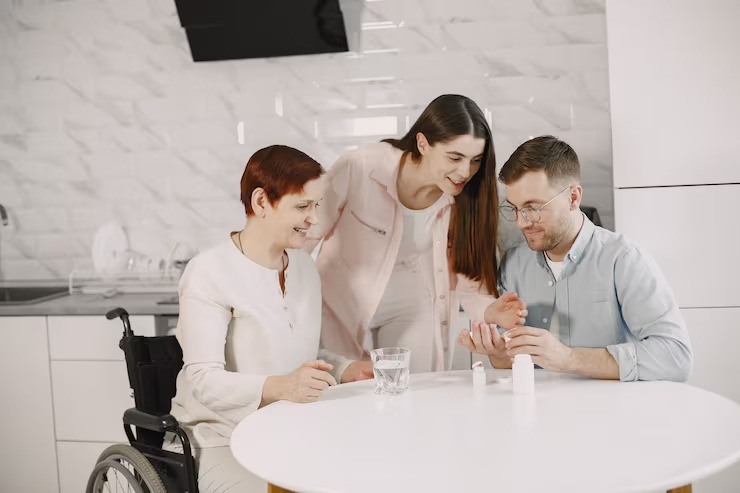
There’s a type of disability support that keeps a person dependent beyond his means. Things are completed, but no progress is made. Then there’s a version of NDIS support that proactively aims to over time develop skills, confidence and capability in order to minimize the amount of support a person requires. That is the second version that is good support.
That’s what the National Disability Insurance Scheme was created for. Funded support is designed to assist the person to achieve a goal, rather than just stay in the same position. The difference is subtle but significant in terms of care approaches.
In the context of the NDIS, what does independence mean
Freedom doesn’t always mean being completely self-reliant. Independence for many NDIS participants is about having choice and control over what they do in their everyday lives, even if they need help to make that choice. It involves choosing when to get up, what to eat, who to spend time with, what goals to pursue and having a team of people that enables you to make that choice instead of telling you what to do.
This was the basis of Wise Care Services. They are working towards a goal of independence, not dependence. All support interactions are designed to help the participant to develop confidence and capability as well as to address their immediate needs.
How can Life Skills Development be used to promote independence
One of the most straight-forward effectors on supporting a person to gain true independence is life skills development support (category 0117). It concentrates on the development of skills in budgeting, cooking, communication, personal organisation and decision making. These are the skills which enable an individual to function in life with greater confidence.
Imagine a young women with an intellectual disability who has a family member making decisions for her regarding finances. Structured Life Skills support teaches her to manage a weekly budget, plan her grocery shopping and to understand her bank account. That advancement is progressive over the years. It’s not just a skill. It’s self-determination. NDIS support that focuses on life skills development works toward this type of permanent change.
What is Supported Independent Living and Who is it for
Supported Independent Living, or SIL (category 0115) is a type of support that is offered in a shared setting. It supports people with greater independence than they would have in more institutional environments with regard to living independently, managing everyday activities, the home and its tasks, and social participation.
SIL is suitable for adults with disability who wish to live independently from their family home and have a regular support need. Having professional support and community and companionship is helpful for both mental and physical health in the shared living model. Wise Care Services is committed to providing SIL services in the same nurse-led and personalised way they provide all their services – these are key and central aspects of the service, even in a shared environment.
In what ways is consistency so important in disability support
One of the most recurring complaints of NDIS participants is inconsistent support. Having staff who are not aware of preferences, communication styles and medical history of the person being supported results in true disruption to the person’s life. The problem with being inconsistent is that it can actually be dangerous to individuals with complex needs, aside from the inconvenience.
Reliable and consistent staff is one of Wise Care Services’ core promises. In the case of the same support workers establishing a long-term relationship with participants, they will be able to detect health and mood changes more quickly, speak more naturally, and provide care in a familiar way. It also decreases anxiety among participants who find it hard to adjust to new people.
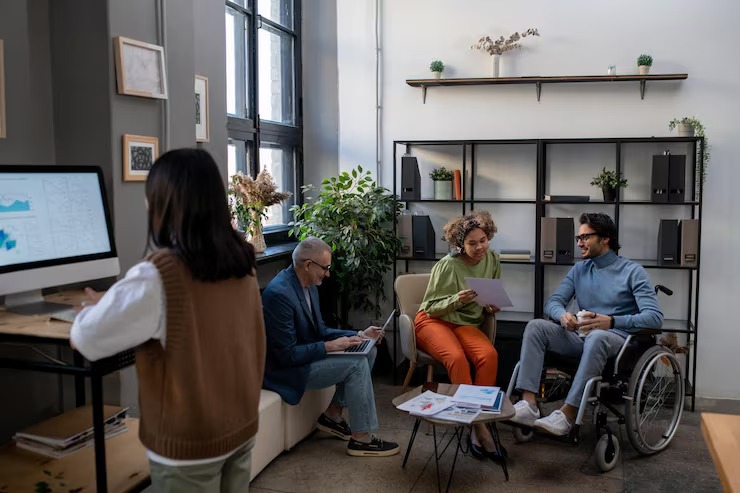
What is the role of assisted transport in promoting independence in the daily lives of people
Getting from place to place (category 0108) may seem like a small but crucial component of independence. Reliable transport is essential for meeting appointments, maintaining social networks and being able to participate in the community, even if an individual wishes to do so. Public transport is not an option for many people with a disability in the western suburbs of Melbourne.
Assisted transport support workers are more than just drivers. They support and facilitate access to all aspects of life that enrich and connect participation. Transport support can make it possible to access medical appointments, social outings, educational programs, community events, and more.
How can Household Support be a Wellbeing Contributing Factor
A tidy, organised and safe home environment has a direct impact on health and mental health. Household task support (category 0120) includes support with cleaning, laundry and meal preparation. These tasks may appear simple, but they have a great impact. A safe house minimises fall risks. Use of nutritious meals promotes health. An infection risk is minimized with a clean environment, especially when dealing with participants with immune system problems.
In addition to the hands-on advantages, a partner assisting with chores means a participant can invest more time in what’s most important to them: maintaining relationships, pursuing hobbies, learning opportunities and connecting with community. Good support is not just a way of holding a home together. It sets the stage for a more life-filled experience.
Why is Community Access so important
Everyone is social. Isolation can have identifiable adverse mental and physical health impacts, and individuals with disabilities are far more likely than the general population to experience social isolation. This is directly addressed by community participation support (category 0125) which supports the individual’s attendance at events, participation in group activities, education and involvement with the local community.
The advantages of supporting someone with disability to attend a community group, to make friends or participate in a recreation activity they enjoy flow on from that. Confidence grows. Social skills develop. A feeling of belonging becomes reinforced. There is no soft outcome here. These are essential in promoting long-term wellbeing and quality of life.
NDIS Disability Support – What is it and why does it differ so significantly
NDIS disability support is assistance that is funded to enable a person with disability to reach their goals, have more independence and engage in their community. There is a national scheme, but the experience of support is highly variable at the level of the individual support.
Depending on the provider, the two participants with the identical plan funding can have completely different lives. You may get hurried, sporadic and impersonal assistance. One may get care that’s carefully planned, consistently rendered and is actually changing their
Conclusion
Success in the best NDIS support isn’t measured by what tasks are accomplished. It values success in terms of the increasing independence, confidence and relationship of individual participants. All support interactions should take someone towards the life they want to live, either through life skills development (SIL), personalised daily support or community access. But that’s the real reason for the scheme, and the sort of standard that any good provider will apply each and every day.
FAQ
Q: What is life skills development support under the NDIS
A: Life skills development (category 0117) is a capacity-building support that helps NDIS participants develop independence in areas like cooking, budgeting, communication, and personal organisation.
Q: What is Supported Independent Living (SIL)
A: SIL is NDIS-funded support provided in a shared living arrangement, helping participants manage daily routines and build independence while living away from their family home.
Q: Does NDIS support include help with household tasks
A: Yes. NDIS funding can cover household task assistance including cleaning, laundry, and meal preparation under support category 0120, helping participants maintain a safe and comfortable home environment.