


The wellness industry has undergone a remarkable transformation over the past decade, with consumers increasingly turning toward natural solutions over synthetic alternatives. Herbal wellness products have emerged as a cornerstone of this shift, offering time-tested remedies backed by modern scientific research. From adaptogens that help manage stress to botanical extracts that support immune function, these products represent a meaningful bridge between ancient healing traditions and contemporary health practices. More than just a trend, the adoption of herbal wellness products reflects a deeper cultural recognition that the body responds better to what nature provides. This article explores the compelling reasons behind this movement and how these products can enhance your daily health routine.
Understanding the Herbal Wellness Revolution
The rise of herbal wellness products isn’t accidental, it reflects genuine consumer demand for alternatives that align with wellness values. When people examine the ingredients in conventional supplements, many feel uncomfortable with synthetic fillers, artificial binders, and chemical preservatives. Herbal products, by contrast, often derive their potency from whole plant sources that have been used for centuries across various cultures.
What makes this movement particularly significant is the growing body of clinical research validating traditional herbal knowledge. Studies on turmeric’s curcumin compound, ashwagandha’s stress-reducing properties, and ginger’s anti-inflammatory effects have demonstrated measurable health benefits. This scientific validation has transformed herbal wellness from folklore into legitimate health practice. Consumers are no longer choosing these products out of nostalgia, but because evidence supports their efficacy.
The market has responded accordingly. Major health retailers now dedicate substantial shelf space to herbal remedies, wellness practitioners recommend them routinely, and integrative medicine has moved from the margins to mainstream medical discourse. This convergence of consumer preference, scientific validation, and market expansion indicates that herbal wellness products have fundamentally changed how people approach health maintenance.
Identifying Quality and Authenticity in Herbal Products
Not all herbal products deliver equal value, which is why discerning consumers must understand what separates premium offerings from mediocre alternatives. The most important factor involves sourcing and processing methods. Products derived from organic, sustainably harvested plants typically contain higher concentrations of active compounds compared to conventionally grown alternatives.
Third-party testing provides crucial assurance of product quality and safety. Reputable manufacturers submit their herbal wellness products for independent laboratory analysis, verifying potency levels and confirming the absence of contaminants, heavy metals, or unwanted additives. When shopping, look for certifications from organizations like NSF International, USP, or ConsumerLab, which indicate rigorous testing standards.
The extraction method also significantly impacts effectiveness. Cold-pressed, alcohol-extracted, or water-infused preparations preserve delicate phytonutrients that heat-based processing might diminish. Standardized extracts provide consistency in active ingredient content, ensuring that each dose delivers predictable benefits. Reading ingredient lists carefully and understanding extraction methods empowers consumers to make informed selections rather than relying solely on marketing claims.
Storage and shelf life matter considerably too. Herbal compounds degrade over time, particularly when exposed to light, heat, or humidity. Products packaged in dark glass containers with appropriate storage instructions tend to maintain their potency longer than those in plastic or transparent packaging.
Integrating Herbal Wellness Into Your Daily Routine
Successfully incorporating herbal wellness products requires understanding your specific health goals and selecting appropriate formulations. Someone managing seasonal changes might benefit from immune-supporting herbs like elderberry or echinacea, while another person seeking better sleep might explore chamomile, valerian root, or passionflower combinations.
Consistency matters more than intensity with herbal remedies. Unlike pharmaceuticals that work through powerful chemical interventions, herbal products often require sustained use to produce noticeable effects. Most practitioners recommend giving herbal formulations at least two to four weeks of consistent use before evaluating effectiveness. This patience-based approach contrasts with the instant-gratification mentality surrounding conventional medicine, but rewards those who commit to long-term natural health strategies.
Timing of administration can enhance absorption and effectiveness. Fat-soluble herbal compounds absorb better when taken with meals containing healthy fats, while others work optimally on an empty stomach. Understanding these nuances, often available through product information or consultation with knowledgeable practitioners, optimizes your results. Starting with smaller doses and gradually increasing allows your body to adjust while minimizing potential side effects.
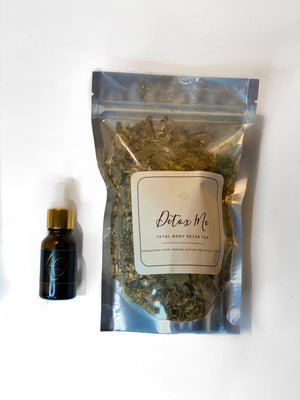
Quality supplementation often involves combining multiple herbs in formulations designed to work synergistically. Rather than relying on single-herb products, many practitioners recommend comprehensive formulas that address root causes of health challenges rather than merely suppressing symptoms. Businesses that invest in premium herbal wellness products often experience stronger wellness outcomes and more sustainable health transformations.
The Future of Herbal Wellness in Healthcare
As conventional medicine becomes increasingly aware of herbal remedies’ legitimacy, integration into mainstream medical practice accelerates. Forward-thinking healthcare systems now employ herbalists and naturopathic doctors alongside conventional practitioners, recognizing that combined approaches often serve patients better than single-methodology systems.
The future promises greater accessibility, standardization, and scientific documentation of herbal benefits. Pharmaceutical companies, recognizing market demand, continue researching herbal compounds to develop novel medicines. Simultaneously, the herbal supplement industry advances its own quality standards and scientific rigor, reducing the gap between natural and conventional products in terms of reliability and efficacy.
Digital technologies are also transforming access to herbal wellness knowledge. Apps, online consultations with trained herbalists, and subscription-based curated herbal programs make personalized herbal wellness more accessible than ever before. Consumers can now receive customized recommendations based on their specific health profiles, preferences, and goals, democratizing what was once exclusive to those living near qualified practitioners.
Conclusion:
Herbal wellness products represent far more than a temporary wellness fad, they embody a fundamental reimagining of how humans approach health and vitality. By combining ancestral wisdom with modern scientific validation, these natural solutions offer genuine benefits for those seeking alternatives to synthetic supplements. Whether you’re managing chronic health concerns, optimizing preventive care, or simply exploring natural approaches to wellness, herbal products deserve serious consideration. The evidence is clear, the benefits are measurable, and the future of wellness clearly includes herbs as central healing tools.
FAQ:
Q: Are herbal wellness products safe to use alongside prescription medications? A: While many herbs are generally safe, some can interact with medications. Always consult with your healthcare provider or a qualified herbalist before combining herbs with prescriptions.
Q: How long does it typically take to notice benefits from herbal products? A: Most people notice changes within 2-4 weeks of consistent use, though some benefits may take longer to become apparent.
Q: What’s the difference between herbal extracts and dried herbs? A: Extracts concentrate the active compounds, making them more potent, while dried herbs provide the whole plant profile. Both have benefits depending on your needs.
Q: Can I use multiple herbal products together? A: Yes, many herbs work synergistically, though it’s wise to consult practitioners to avoid redundancy or potential interactions.