

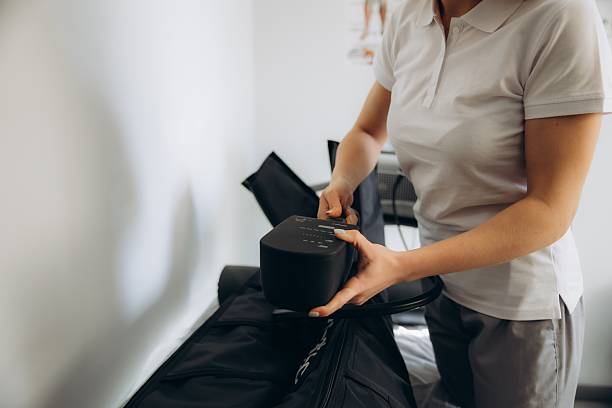
Quick Answer: Normatec compression therapy uses sequential pneumatic compression to move blood and lymphatic fluid out of the limbs, reduce post-exercise soreness, and accelerate tissue repair. Research from the Journal of Strength and Conditioning Research and other sources shows meaningful reductions in delayed onset muscle soreness (DOMS) and faster return-to-readiness in athletes. Sessions typically run 20 to 30 minutes and are safe for most healthy adults.
If you’ve walked past the recovery section of a professional sports facility in the last five years, you’ve probably seen them: full-leg compression boots that look like they belong on an astronaut. Normatec became standard equipment in NFL, NBA, and Olympic athlete training rooms well before most wellness centers picked them up. The question worth asking now that they’re widely accessible is whether the recovery claims hold up outside of elite sport.
The short answer is yes, with some important nuance. At The Other 23 Wellness, Normatec compression is used as part of a broader recovery and pain relief stack. Here’s what the research actually supports.
How Does Normatec Compression Therapy Work?
Normatec devices, now owned by Hyperice, use sequential pneumatic compression (SPC) to apply pressure in a specific pattern up the limb. Unlike simple static compression garments, Normatec compresses from the foot upward in a wavelike motion, actively pushing blood and lymphatic fluid toward the core.
This matters because post-exercise, metabolic byproducts like lactate, prostaglandins, and cellular waste accumulate in muscle tissue. Passive rest moves these out slowly. Sequential compression accelerates clearance, particularly in the lymphatic system, which lacks its own pump and depends on movement and external pressure to function.
The mechanism is distinct from simple elevation or static compression wraps. Normatec’s patented Pulse technology adds a holding phase between compression waves that prevents backflow, making the fluid movement significantly more directional and efficient than older pneumatic compression devices.
What Does the Research Say About Compression Recovery?
The evidence base for pneumatic compression in athletic recovery is solid but not unlimited in scope. Here’s what the better studies show.
A 2015 study in the Journal of Strength and Conditioning Research examined cyclists who used Normatec compression boots for 30 minutes post-training versus passive rest. The compression group showed significantly lower perceived soreness at 24 and 48 hours and maintained higher power output in a follow-up cycling test. That last part, maintained performance, is actually the more clinically meaningful finding.
A 2019 meta-analysis in the International Journal of Sports Physiology and Performance reviewed 23 studies on pneumatic compression and found statistically significant effects on DOMS reduction and perceived recovery. The effect size was moderate, which is honest. It’s not transformative on its own, but it’s real and consistent.
For non-athletes, the evidence is less extensive but still applicable. Anyone dealing with chronic venous insufficiency, post-surgical lymphedema, or prolonged sedentary periods from desk work can benefit from lymphatic clearance. Physical therapists and vascular surgeons use similar pneumatic compression devices medically for exactly these applications.
Who Benefits Most from Normatec Sessions?
Not everyone needs the same recovery intervention. Here’s a practical breakdown of who gets the most from Normatec compression therapy.
Athletes in high-volume training blocks: When training frequency is too high to allow full passive recovery, compression accelerates the window between sessions. Endurance athletes, CrossFit athletes, and team sport players all fit this profile.
Post-race or post-competition recovery: After a marathon, triathlon, or tournament weekend, legs are carrying significant inflammatory load. Normatec sessions in the 24 to 48 hours post-event consistently speed subjective and objective recovery markers.
Desk workers with lower limb circulatory issues: Prolonged sitting pools blood and lymphatic fluid in the legs. Regular compression sessions, even 20 minutes two to three times weekly, can meaningfully address chronic heaviness, swelling, and fatigue in the lower extremities.
Post-surgery rehabilitation: Under physician guidance, pneumatic compression supports lymphatic clearance after orthopedic or vascular procedures. This is a medical application that should always involve provider oversight.
Normatec vs. Other Compression and Recovery Tools
Static compression garments like compression socks and sleeves provide constant, mild pressure that supports circulation during activity. They don’t actively move fluid. Normatec is a recovery tool, not a performance tool, and the two serve different roles.
Compared to ice baths or cold plunging, Normatec targets a different recovery pathway. Cold reduces inflammation through vasoconstriction and temperature effects on inflammatory enzymes. Compression clears existing fluid through physical displacement. Used together, they address complementary mechanisms. Many elite recovery protocols combine both.
Manual lymphatic drainage (MLD), a specialized massage technique, produces similar lymphatic effects to Normatec but requires a trained therapist and takes longer per session. For regular maintenance recovery, Normatec compression at a facility like The Other 23 Wellness is more time-efficient and consistently reproducible session to session.
What to Expect During a Normatec Compression Session
If you’ve never done a session, the experience is approachable. You’ll put on the compression sleeves or full-leg boots, lie down or sit in a reclined position, and the device will inflate in pulsing waves that start at the feet and move upward. The pressure is firm but not painful. Most people describe it as deeply relaxing.
Sessions run 20 to 30 minutes. There’s no prep required, no recovery period afterward. You can go straight from a Normatec session back to normal activity. If anything, expect to feel lighter on your feet and with reduced muscle heaviness within the same day.
Frequently Asked Questions
Q: How often should I use Normatec compression therapy?
For active people in consistent training, 3 to 5 sessions per week is appropriate. For general wellness maintenance or desk-worker circulation support, 2 to 3 times weekly produces noticeable benefits. Daily use is safe for most healthy adults.
Q: Does Normatec compression reduce swelling?
Yes. Sequential pneumatic compression is effective at reducing edema in the limbs by moving accumulated fluid through the lymphatic system. It’s used medically for lymphedema management and is commonly prescribed post-surgery in orthopedic and vascular care settings.
Q: Is Normatec compression therapy safe for everyone?
Most healthy adults tolerate it well. It should not be used over areas with deep vein thrombosis, active infections, or recent fractures. People with peripheral arterial disease should consult a physician before use. At The Other 23 Wellness, staff assess appropriateness before sessions.
Q: How is Normatec different from regular compression socks?
Compression socks apply static, uniform pressure. Normatec applies dynamic, sequential pressure that actively propels fluid upward through the limb rather than just reducing pooling. The mechanisms are related but the clinical effects of sequential compression are more pronounced for post-exercise recovery.
Q: Can Normatec help with restless legs or poor circulation?
Many users with restless leg syndrome and poor lower limb circulation report symptom relief with regular Normatec use. The improved lymphatic and venous flow may reduce the sensory discomfort associated with both conditions. A physician should evaluate underlying causes before relying on compression as a standalone management strategy.