

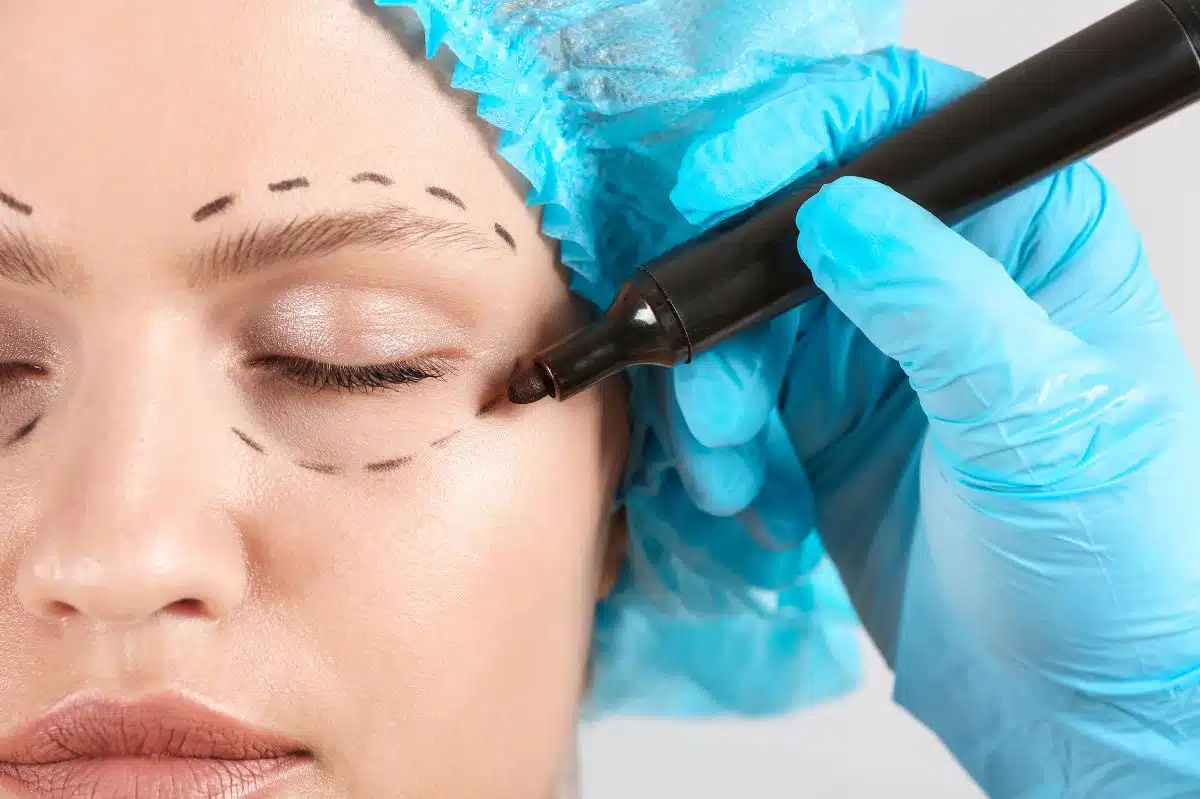
Blepharoplasty under eye surgery is a popular cosmetic procedure aimed at rejuvenating the appearance of the lower eyelids. As we age, the skin around the eyes becomes thinner, and fat deposits may begin to protrude, creating a tired or puffy look. Lower blepharoplasty surgery addresses these issues by removing or repositioning fat, tightening muscles, and eliminating excess skin. This creates a more youthful, refreshed appearance without drastically changing the patient’s natural facial features.
What Is Blepharoplasty Under Eye Surgery?
Blepharoplasty under eye surgery, also known as lower eyelid surgery, is designed to correct concerns such as under-eye bags, fine lines, sagging skin, and puffiness. This procedure is not just for aesthetic enhancement but also serves functional purposes, like improving the field of vision when sagging eyelids become an issue.
Surgeons typically use one of two techniques: transconjunctival blepharoplasty, where incisions are made inside the lower eyelid, or subciliary blepharoplasty, where incisions are placed just below the lash line. Both methods aim to minimize scarring and provide a natural-looking result.
The Difference Between Lower Blepharoplasty and Double Eyelid Surgery
While blepharoplasty under eye surgery targets the lower eyelids, double eyelid surgery—also known as Asian blepharoplasty—focuses on creating or enhancing a crease in the upper eyelid. These are two distinct procedures that address different concerns.
Double eyelid surgery is primarily performed to create a defined upper eyelid crease for individuals who have a monolid (a single eyelid without a natural crease). On the other hand, lower blepharoplasty deals specifically with the area under the eyes, tackling puffiness and skin laxity.
Both procedures can be performed together for a full rejuvenation of the eye area, enhancing both upper and lower eyelids while maintaining the patient’s ethnic and natural features.
Recovery and What to Expect After Blepharoplasty Under Eye Surgery
Post-operative recovery for blepharoplasty under eye surgery varies from patient to patient but generally involves mild to moderate swelling, bruising, and tightness in the eye area for the first few days. Cold compresses and prescribed medications help manage discomfort and accelerate healing.
Most individuals can return to their normal routines within 7 to 10 days, though complete healing may take several weeks. It’s crucial to follow all aftercare instructions, avoid strenuous activities, and protect the eyes from sun exposure during the healing process.
Natural-Looking Results with Minimal Downtime
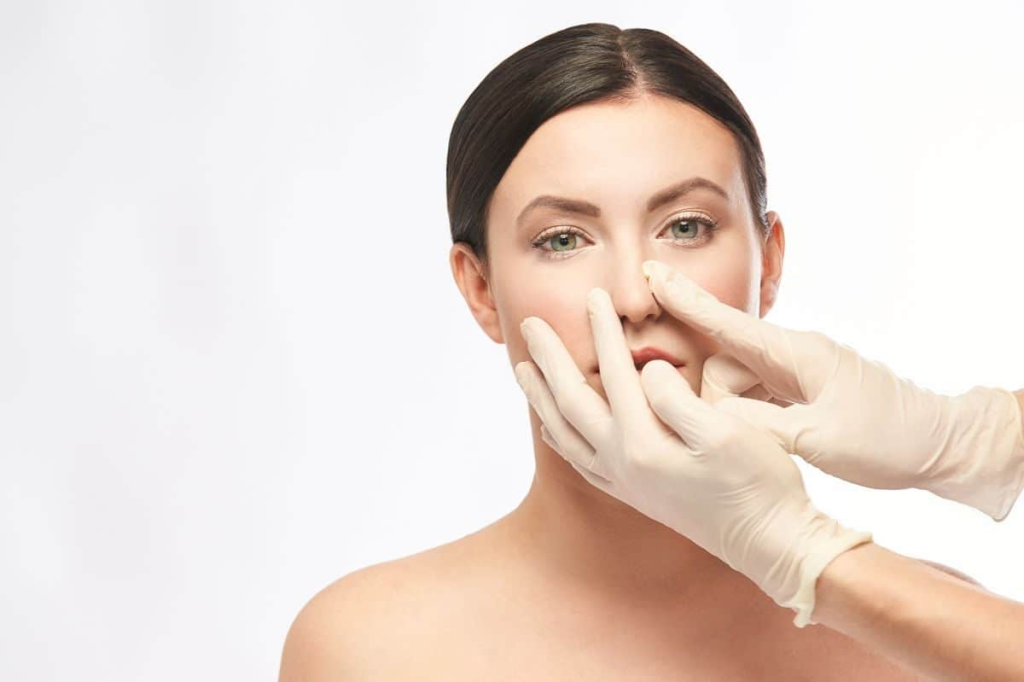
One of the biggest advantages of modern lower blepharoplasty surgery is the ability to achieve natural-looking results with minimal visible scarring. Surgeons now employ advanced techniques to ensure that fat is redistributed rather than simply removed, preventing the hollowed-out appearance that can occur with older methods.
By enhancing the contour of the lower eyelids and restoring volume in a subtle way, the eyes appear more awake and youthful—without looking “overdone.”
Conclusion
Blepharoplasty under eye surgery is an effective solution for those seeking to rejuvenate their appearance by addressing puffiness, sagging, and fine lines in the lower eyelid area. When performed by a skilled surgeon, the procedure delivers results that are both natural and transformative. Combined with other enhancements like double eyelid surgery, it can provide a comprehensive improvement in facial aesthetics. With minimal downtime and long-lasting results, lower blepharoplasty continues to be a favored choice for individuals looking to refresh their look without losing their unique features.