

If your body feels stiff after sitting all day, your hips tighten during workouts, or your back constantly feels locked up, you are not alone. Millions of people struggle with poor mobility, posture issues, muscle tightness, and flexibility limitations caused by modern lifestyles.
This is one reason searches for a stretch therapist and professional full body stretching services have increased rapidly in recent years. More people are looking for ways to move better, reduce discomfort, and support long-term mobility without relying only on intense workouts or temporary fixes.
But is working with a stretch therapist actually worth it?
This guide explains how full body stretching works, who benefits most, possible risks, pricing expectations, beginner mistakes, and what experts say about mobility and flexibility training.
What Is Full Body Stretching?
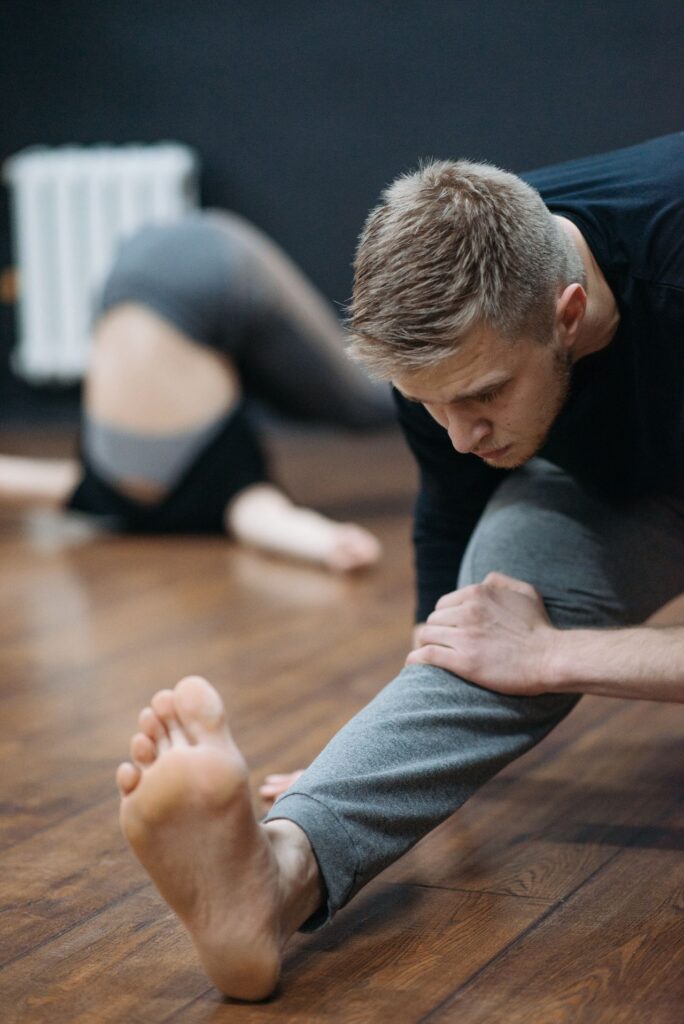
Full body stretching is a guided mobility session where a trained stretch therapist helps move your body through controlled stretches designed to improve flexibility and overall movement quality.
Unlike self-stretching, full body stretching focuses on:
- Improving flexibility
- Increasing range of motion
- Supporting posture and mobility
- Reducing muscle tightness
- Enhancing recovery
- Improving movement efficiency
A stretch therapist carefully works through major muscle groups such as hips, hamstrings, shoulders, neck, back, glutes, and calves while monitoring tension and mobility restrictions.
How Full Body Stretching Works
Most sessions follow a structured approach designed for safe and progressive improvement.
Step 1: Mobility Assessment
The stretch therapist evaluates tight muscles, posture alignment, joint restrictions, movement limitations, and discomfort areas.
Step 2: Guided Full Body Stretching
The therapist moves your body through controlled stretches targeting major muscle groups including hips, hamstrings, shoulders, back, chest, neck, and legs.
Step 3: Breathing & Relaxation
Controlled breathing techniques help reduce muscle tension and improve stretch effectiveness and comfort.
Step 4: Progressive Improvement
With consistent sessions, many people experience improved flexibility, posture, reduced stiffness, and better movement quality.
Benefits of Full Body Stretching
Improved Flexibility
One of the main reasons people seek a stretch therapist is to improve flexibility. Tight muscles from sitting, inactivity, or repetitive movement can restrict daily mobility.
Better Posture
Poor posture caused by desk jobs and screen time often leads to rounded shoulders and lower back discomfort. Full body stretching may help improve muscle balance.
Recovery Support
Athletes and active individuals use stretching sessions to support recovery after workouts, sports, or intense physical activity.
Increased Range of Motion
Limited mobility can make basic movements harder. Guided stretching may help improve joint movement and overall physical performance.
Risks and Downsides of Full Body Stretching
While beneficial, full body stretching is not risk-free. Improper technique or overstretching may lead to muscle strain, soreness, or joint irritation. It is also not a replacement for strength training or rehabilitation, and results depend on consistency, lifestyle, and individual mobility conditions.
Who Benefits Most From a Stretch Therapist?
Office Workers & Desk Professionals
Long sitting hours often cause tight hips, neck stiffness, and lower back discomfort.
Athletes & Fitness Enthusiasts
Helps improve recovery, flexibility, and movement quality after training.
Older Adults
Supports mobility, balance, and easier daily movement as flexibility decreases with age.
People With Muscle Tightness
Useful for individuals with stiffness from inactivity or repetitive movement patterns.
Who Should NOT Try Full Body Stretching?
People with recent injuries, fractures, severe joint instability, acute inflammation, spinal conditions, hypermobility disorders, or chronic pain conditions should consult a healthcare professional before starting stretching therapy.
How Much Does Full Body Stretching Cost?
Pricing depends on provider, location, and session type:
- Intro sessions may start around $19
- Single sessions typically range $40–$70
- Membership plans reduce long-term cost per session
- Premium studios may charge higher for personalized programs
Beginner Mistakes to Avoid
Stretching Too Aggressively
Pain is not progress—overstretching can cause injury.
Expecting Instant Results
Mobility improvements require consistency and time.
Ignoring Strength Training
Flexibility alone is not enough for long-term mobility.
Choosing Unqualified Providers
Proper training is essential for safe and effective results.
Research and Expert Insights
Research suggests stretching can improve flexibility and range of motion, though injury prevention evidence is mixed. Experts agree that combining stretching with strength training, mobility work, and recovery practices produces better long-term results than stretching alone.
Top 3 Stretching Therapy Services for Recovery, Flexibility & Mobility
1. StretchLab
Pros
- Established assisted stretching brand with multiple locations
- Structured sessions guided by trained flexologists
- Beginner-friendly and easy to start
- Modern wellness studio experience
- Good for maintaining consistent flexibility routines
Cons
- Experience may vary between locations
- Structured format may feel less personalized for some clients
- Popular studios may have limited peak-hour availability
Website: https://www.stretchlab.com/
2. StretchPlex
Pros
- Personalized one-on-one assisted stretching sessions
- Programs tailored to mobility, flexibility, posture, and recovery goals
- Suitable for athletes, active adults, office workers, and people with muscle tightness
- Helps reduce stiffness, improve range of motion, and support post-workout recovery
- Wellness-focused environment designed for long-term movement improvement
- Trained stretch therapists guide clients safely through each movement
Cons
- Consistency is required for noticeable long-term results
- Some clients expect instant flexibility improvements after a single session
- Not a replacement for medical treatment or physical therapy for serious injuries
- Availability depends on location and appointment scheduling
How StretchPlex Overcomes These Challenges
StretchPlex focuses on fully customized stretching programs instead of generic routines. Each client receives a plan based on their body condition, activity level, and mobility goals. The approach also emphasizes education, recovery support, and realistic expectations, helping users understand that long-term results come from consistency and proper guidance.
Website: https://stretchplexnow.com/
3. Stretch Zone
Pros
- Focused on flexibility, mobility, and range of motion
- Beginner-friendly assisted stretching approach
- Supports circulation, muscle comfort, and recovery
- Safe, guided sessions for improved movement quality
- Good for general wellness and active recovery
Cons
- Experience may vary by location and practitioner
- Less performance-focused for advanced athletes
- Customization depends on individual goals
Website: https://www.stretchzone.com/
Final Thoughts
Working with a stretch therapist for full body stretching is best seen as a long-term mobility support tool rather than a quick fix. When combined with strength training, consistency, and healthy movement habits, it may help improve flexibility, posture, recovery, and overall physical comfort.